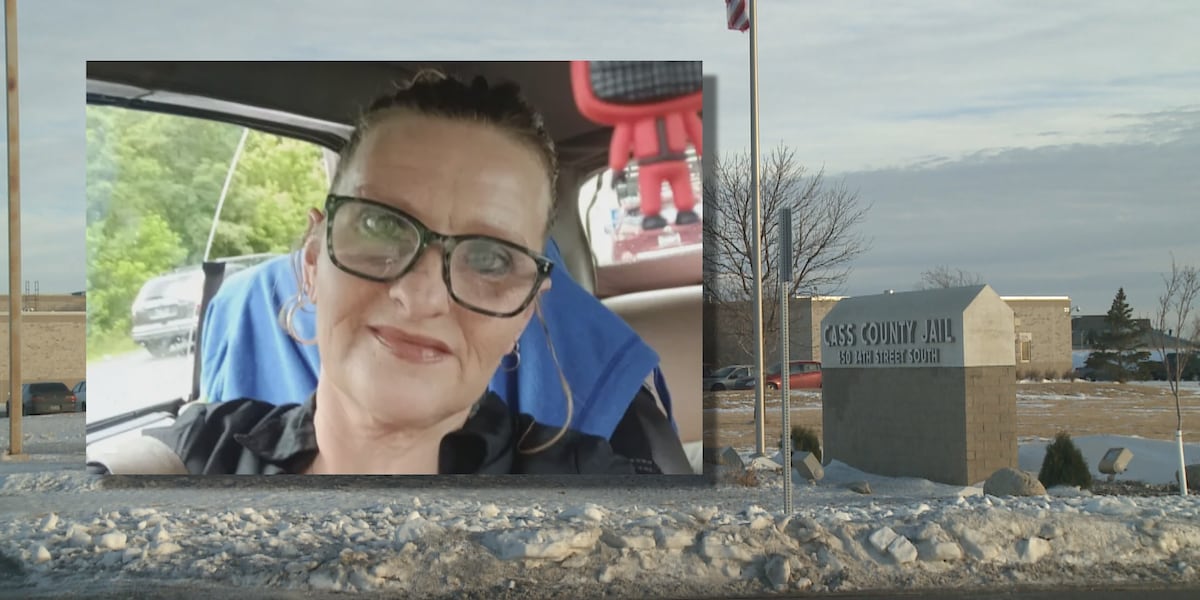
The increasing integration of artificial intelligence (AI) into critical sectors like law enforcement promises enhanced efficiency and capabilities. However, a harrowing case unfolding in North Dakota is starkly illustrating the potential for devastating errors and the urgent need for accountability. Fargo finds itself at the precipice of a significant legal challenge, as a Tennessee woman, Angela Lipps, prepares to pursue a lawsuit after enduring months of wrongful incarceration due to a flawed AI facial recognition match.
This incident has not only upended Ms. Lipps' life but also ignited a crucial discussion among the Fargo Board of City Commissioners regarding the profound legal and ethical ramifications of relying on nascent AI technologies for critical policing decisions. The impending Angela Lipps Lawsuit serves as a potent reminder of the human cost when technological advancements outpace robust oversight and human validation.
The Ordeal of Angela Lipps: A Life Upended by AI Error
Angela Lipps, a 50-year-old grandmother from Elizabethton, Tennessee, had her world irrevocably shattered on July 14, 2025. While she was simply babysitting four children, law enforcement officials descended upon her home, arresting her at gunpoint. Her alleged crime? Involvement in a series of bank fraud incidents in Fargo, North Dakota. The connection, authorities claimed, was forged by facial recognition software, which purportedly linked her to surveillance footage of a suspect using a fake U.S. Army military ID to withdraw funds.
The subsequent months plunged Ms. Lipps into a Kafkaesque nightmare. She was initially held in a Tennessee county jail for an astonishing 108 days without bail, separated from her family and unaware of the full scope of the charges. Eventually, she was transferred to North Dakota to face justice for crimes she did not commit. It wasn't until Christmas Eve, after her attorney meticulously presented irrefutable bank records proving she was in Tennessee during the time of the alleged Fargo crimes, that the charges were finally dismissed. The joy of her release, however, was overshadowed by the devastating aftermath:
- Loss of livelihood: Ms. Lipps reportedly lost her home and her car, direct consequences of her prolonged absence and financial strain.
- Emotional trauma: The ordeal resulted in profound emotional distress, exacerbated by missing critical holidays with her grandchildren.
- Personal loss: Even her beloved dog was lost amidst the chaos and hardship, adding another layer of grief to her recovery.
This egregious misidentification and subsequent incarceration underscore the inherent risks of unchecked AI deployment in sensitive areas like criminal justice. The pain and suffering endured by Angela Lipps form the core argument for the impending Angela Lipps Lawsuit, seeking justice and accountability for her stolen months of freedom and immense personal losses.
Seeking Justice: The Legal Battle Ahead
Though no official lawsuit has been formally filed, Angela Lipps has retained a formidable legal team, including attorneys Eric Rice and Dane DeKrey, to pursue potential civil rights claims against Fargo authorities. Their mission extends beyond simply dismissing the charges; it focuses on comprehensive restitution and ensuring such an injustice doesn't recur.
Eric Rice articulated the gravity of the situation, stating, “This is the type of situation that should be scary to all of us.” The legal team's primary objectives are multifaceted:
- Clearing Angela Lipps' Name: Despite the dismissal of charges, a "cloud of suspicion has not been fully lifted from her," as Rice noted. The lawsuit aims to unequivocally affirm her innocence and restore her reputation.
- Addressing Trauma and Seeking Compensation: The emotional distress and psychological impact of being falsely accused, arrested at gunpoint, and incarcerated for months are immense. “A grave harm did occur,” Rice explained, detailing the trauma of being detained without understanding, dragged across the country, and facing serious charges. The legal team plans to seek substantial compensation for this suffering.
- Ensuring Accountability: Beyond individual damages, a core focus is on understanding "where things fell short and making sure it doesn’t happen again." This aspect of the Angela Lipps Lawsuit aims to provoke systemic changes within law enforcement's use of AI.
Currently, the case is in its early investigation stages, with attorneys awaiting critical files from the state’s attorney’s office to move forward. While a timeline for filing a formal lawsuit remains unclear, the intentions are clear: Angela Lipps is fighting for justice not just for herself, but for anyone who could become a victim of flawed AI. For a deeper dive into the specifics of her wrongful arrest, you can read more here: Angela Lipps Lawsuit: AI Facial Recognition Leads to Wrongful Arrest.
The Broader Implications: AI's Role in Law Enforcement
The case of Angela Lipps transcends a single unfortunate incident; it serves as a critical stress test for the burgeoning reliance on AI in law enforcement. As police departments nationwide increasingly adopt facial recognition and other AI tools, this case brings to light several pressing concerns:
- Accuracy and Bias: Facial recognition technologies, while powerful, are not infallible. They can be prone to errors, particularly when dealing with varying lighting conditions, image quality, and demographic differences. Biases embedded in training data can lead to higher rates of misidentification for certain groups, disproportionately affecting vulnerable populations.
- Lack of Transparency and Oversight: Many AI systems operate as "black boxes," making it difficult to understand how decisions are reached. Without clear policies for human review, validation, and transparency, the potential for unchecked errors is significant.
- Erosion of Civil Liberties: The ease with which AI can be deployed raises concerns about privacy, surveillance, and the fundamental right to due process. False arrests based on AI can strip individuals of their freedom and devastate their lives, as seen with Ms. Lipps.
- Accountability Gap: When an AI system makes a mistake, who is responsible? The developers? The law enforcement agency? The individual officers? The Angela Lipps Lawsuit is poised to explore this accountability gap, potentially setting a precedent for future cases.
Practical Insights for Responsible AI Implementation:
- Robust Testing and Validation: AI systems must undergo rigorous, independent testing for accuracy and bias before deployment.
- Clear Policies and Protocols: Law enforcement agencies need strict guidelines for how AI is used, requiring human oversight and validation before any action is taken based solely on AI output.
- Transparency: Agencies should be transparent about which AI tools they use, how they are trained, and their known error rates.
- Training: Officers must be thoroughly trained on the capabilities and limitations of AI technologies.
- Legal Frameworks: Legislators need to establish clear legal frameworks that address liability and civil rights protections in the age of AI policing.
The human cost of AI's errors cannot be understated. Angela Lipps' fight for justice highlights this powerfully. To understand more about the wider societal impact, refer to AI's Human Cost: Angela Lipps' Fight for Justice After False ID.
Fargo's Quandary: Weighing the Costs of AI Error
For the City of Fargo, the impending Angela Lipps Lawsuit represents more than just a potential financial burden; it's a critical moment for self-reflection and policy re-evaluation. The Fargo Board of City Commissioners' executive session to discuss "potential legal ramifications" indicates a serious acknowledgment of the situation's gravity.
The costs associated with litigation can be substantial, including:
- Settlement or Judgment Payouts: Given the severe trauma and losses Ms. Lipps endured, any settlement or judgment could be significant.
- Legal Fees: Defending against a complex civil rights lawsuit can accrue considerable legal expenses for the city.
- Reputational Damage: A high-profile case involving wrongful arrest due to AI error can tarnish a city's reputation, eroding public trust in its law enforcement agencies.
- Policy Review and Reform Costs: Even if the city wins, the incident will likely necessitate costly reviews, revisions, and retraining programs for its AI usage policies.
Beyond the financial ledger, Fargo faces a moral imperative. This case forces the city to confront the ethical dimensions of its technological choices and to consider how to prevent such devastating miscarriages of justice in the future. The outcome of the Angela Lipps Lawsuit could set a significant precedent, influencing how other municipalities across the nation approach the deployment of AI in sensitive public safety contexts.
Conclusion
Angela Lipps' experience is a chilling testament to the profound vulnerabilities inherent in rapidly evolving AI technologies when applied without adequate safeguards. Her wrongful arrest and prolonged incarceration serve as a powerful cautionary tale, urging a re-evaluation of how societies balance technological advancement with fundamental human rights and due process.
The impending Angela Lipps Lawsuit is more than just a personal quest for justice; it's a pivotal moment for accountability in the age of AI. As Fargo's commissioners deliberate, and Ms. Lipps' legal team prepares their case, the broader conversation about AI ethics, oversight, and human intervention in law enforcement grows louder. Ensuring that technology serves humanity, rather than unjustly ensnaring it, remains an ongoing and critical challenge that requires constant vigilance, robust policy-making, and an unwavering commitment to justice.