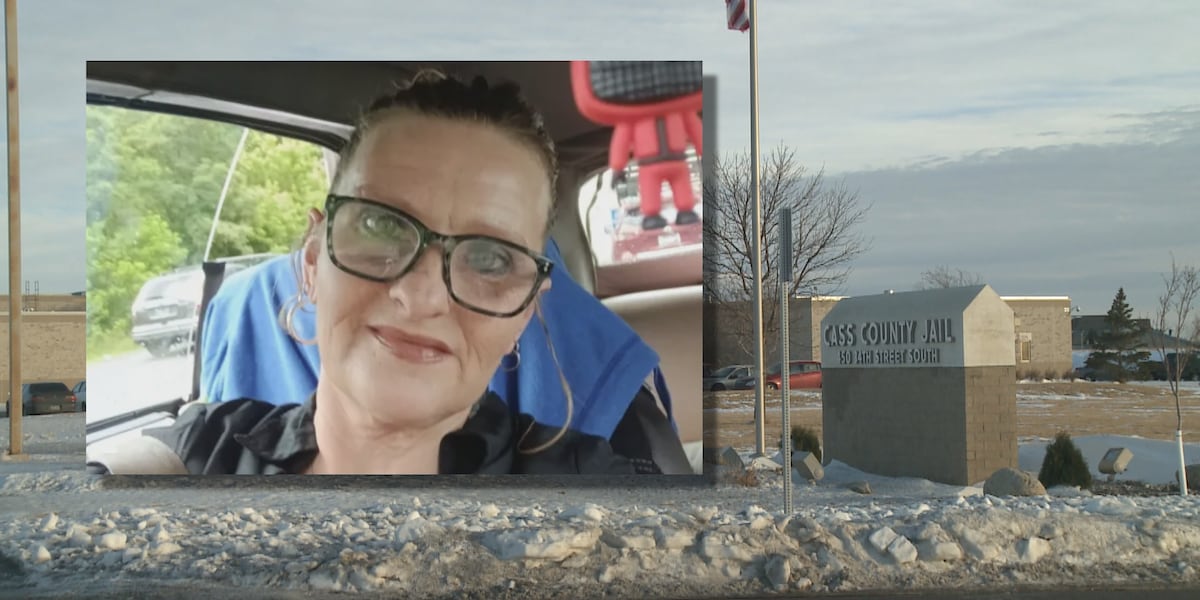
AI's Human Cost: Angela Lipps' Fight for Justice After False ID
The promise of artificial intelligence in law enforcement is often heralded as a tool for efficiency, accuracy, and crime prevention. Yet, the story of Angela Lipps serves as a stark, chilling reminder of the devastating human cost when these advanced technologies falter. A flawed facial recognition match led to a grandmother's wrongful arrest, prolonged incarceration, and unimaginable personal losses, sparking discussions among Fargo Commissioners and setting the stage for a potential landmark Angela Lipps Lawsuit that could redefine accountability in the age of AI.
The Ordeal of Angela Lipps: A Nightmare of False Identification
For 50-year-old Angela Lipps of Elizabethton, Tennessee, July 14, 2025, marked the beginning of an unconscionable nightmare. While she was simply babysitting four children, law enforcement officials arrested her at gunpoint. Their warrant was based on a facial recognition match, connecting her to surveillance footage from a series of bank fraud incidents in Fargo, North Dakota. The alleged perpetrator in these crimes had reportedly used a fake U.S. Army military ID to withdraw funds, and the AI system had, tragically, pointed to Lipps.
What followed was an agonizing five-month ordeal. Lipps was initially held in a Tennessee county jail for an astounding 108 days, without bail, her pleas of innocence falling on deaf ears. Subsequently, she was transferred across the country to North Dakota, far from her home and loved ones. It wasn't until her attorney presented irrefutable bank records, proving her physical presence in Tennessee during the exact times of the alleged crimes in Fargo, that the egregious error was finally acknowledged. On Christmas Eve, the charges against her were, at long last, dismissed. The timing, though a relief, underscored the cruel irony of her situation – regaining her freedom on a day meant for family, after missing crucial holidays with her grandchildren.
The emotional and financial fallout of this wrongful arrest has been catastrophic for Lipps. She reportedly lost her home, her car, and even her beloved dog – a testament to the profound and far-reaching consequences of being falsely accused and incarcerated. This isn't just a story about a mistaken identity; it's a profound narrative about systemic failure and the crushing weight it can impose on an individual.
Beyond Dismissal: Seeking Justice and Accountability
The dismissal of charges was a necessary first step, but for Angela Lipps and her legal team, it's merely the beginning of a much larger fight for justice. She has retained a dedicated legal team, including attorneys Eric Rice and Dane DeKrey, to pursue potential civil rights claims against the Fargo authorities. While an official Angela Lipps Lawsuit has not yet been filed, the intent is clear: to hold those responsible accountable and ensure such a devastating error never happens again.
Eric Rice articulates the core objectives of their legal strategy:
- Clearing Angela Lipps' Name: Beyond the legal dismissal, the stigma of a criminal accusation lingers. The team aims to unequivocally restore her reputation.
- Addressing Trauma and Emotional Distress: The profound emotional and psychological impact of being wrongfully arrested, incarcerated, and dragged across the country cannot be overstated. The legal team seeks compensation for the immense suffering Lipps has endured.
- Ensuring Accountability: This case, as Rice notes, "should be scary to all of us." The focus extends beyond Lipps' individual plight to a broader quest for understanding where the system failed and implementing safeguards to prevent future AI-driven injustices.
The Broader Implications: AI's Promise and Peril in Law Enforcement
Angela Lipps' case throws a harsh spotlight on the double-edged sword that is artificial intelligence in policing. On one hand, AI offers immense potential to enhance public safety – rapidly sifting through vast amounts of data, identifying patterns, and potentially pinpointing suspects with unprecedented speed. Facial recognition, in particular, has been lauded for its ability to identify individuals from surveillance footage, often in cases where human identification would be impossible.
However, the peril lies in its imperfections and the inherent biases that can be encoded within algorithms. Facial recognition technologies have been shown to be less accurate when identifying women and people of color, raising significant concerns about equitable application. When law enforcement relies too heavily on an AI match without sufficient human corroboration, the results can be catastrophic, as Lipps' experience tragically demonstrates. This reliance can lead to:
- False Positives: Mistaking an innocent person for a criminal, leading to wrongful arrests and incarceration.
- Algorithmic Bias: If the data used to train AI systems is unrepresentative or biased, the system will perpetuate and amplify those biases.
- Erosion of Trust: When communities lose faith in the fairness and accuracy of policing tools, it undermines the very foundation of law enforcement's relationship with the public.
- Due Process Concerns: The opaqueness of some AI algorithms makes it difficult for defendants to challenge the evidence presented against them, impacting their right to a fair trial.
Safeguarding Against AI Errors: Practical Steps for the Future
To harness the power of AI while protecting fundamental human rights, a multi-faceted approach is essential. The Angela Lipps case underscores the urgent need for robust protocols and legislative frameworks:
- Mandatory Human Review and Verification: No AI match should ever be the sole basis for an arrest. Human analysts must critically review and corroborate AI-generated identifications with additional evidence before any action is taken.
- Transparency and Auditability: Law enforcement agencies should be transparent about the AI tools they use, their accuracy rates, and the data they are trained on. Algorithms should be auditable to identify and mitigate biases.
- Comprehensive Training: Officers must be thoroughly trained not only on how to use AI tools but also on their inherent limitations, potential for error, and the ethical implications.
- Strict Data Governance: Ensure that data used to train and operate AI systems is diverse, unbiased, and regularly updated to reflect demographic changes.
- Legal Accountability Frameworks: Clear legal frameworks are needed to establish accountability when AI systems lead to wrongful arrests or other harms. This includes clear channels for redress for victims.
- Invest in Better Technology: Continuously fund research and development to improve the accuracy and fairness of AI technologies, especially in critical applications like facial recognition.
- Public Engagement: Foster open dialogue with the public about the use of AI in policing to build trust and gather feedback on community concerns.
Community Support and the Path Ahead
The plight of Angela Lipps has resonated deeply, prompting community support. Michael Nessa, a West Fargo man, initiated a GoFundMe campaign to help Lipps recover from her immense financial losses, offering a beacon of hope amidst her devastation. Meanwhile, the Fargo Board of City Commissioners has been meeting in executive session to discuss the potential legal ramifications, acknowledging the serious risks and costs associated with a forthcoming Angela Lipps Lawsuit.
As the legal team moves forward, gathering files and preparing their case, the "real possibility" of a significant civil rights lawsuit looms large. This case is not just about Angela Lipps; it's about setting a precedent for how society navigates the complex intersection of cutting-edge technology and fundamental human rights. The outcome of the Angela Lipps Lawsuit could have far-reaching implications for AI governance in law enforcement across the nation.
Angela Lipps' harrowing experience serves as a powerful cautionary tale, illustrating the profound human cost of unchecked reliance on artificial intelligence. While AI offers transformative potential for law enforcement, her struggle for justice underscores the absolute necessity of rigorous oversight, robust human verification, and unwavering accountability. As her legal battle progresses, the Angela Lipps Lawsuit will undoubtedly be a pivotal moment in the ongoing conversation about balancing technological advancement with the unwavering protection of civil liberties.